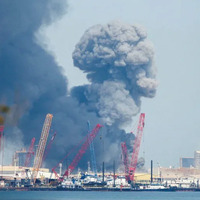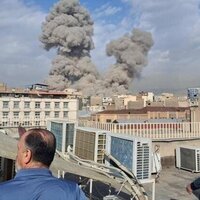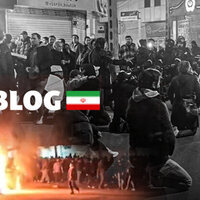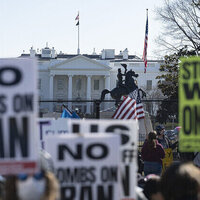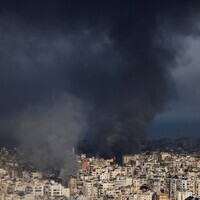


A global humanitarian group with a presence in Minnesota says innocent civilians are paying the highest price for the United States' and Israel's war with Iran.
It's pleading with heads of state and armed forces to make preserving human life a number one priority. The war's initial stages resulted in the deaths of several U.S. military members, including one from Minnesota. And early estimates from human rights trackers suggest at least 1,000 civilians were killed in the crossfire.
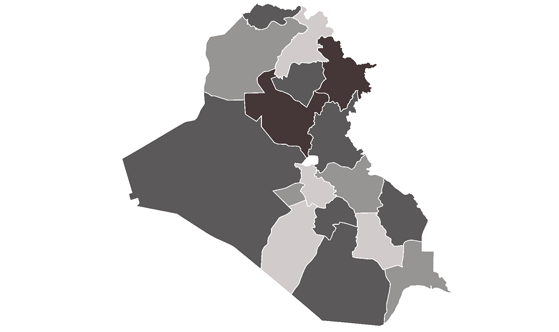
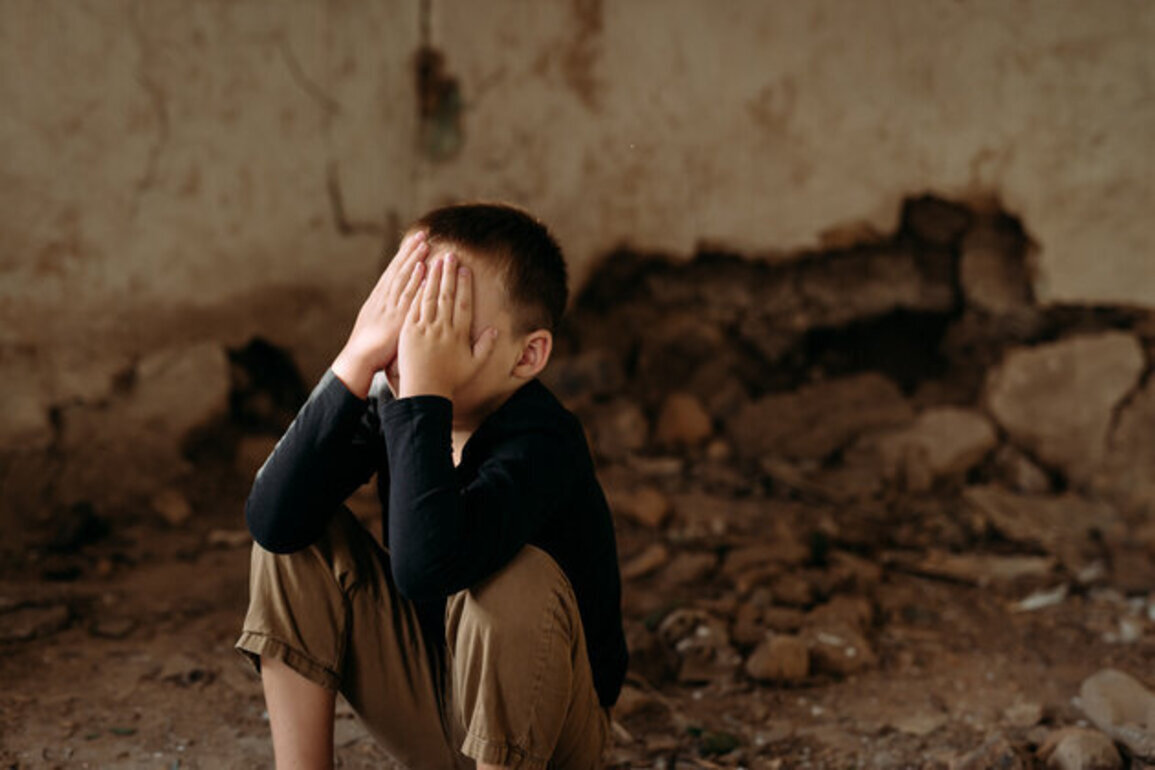
Anna Zaros. director of advancement at Nonviolent Peaceforce, said their Head of Mission in northern Iraq described the spillover effect in that region, with people afraid to go to work, school or even sleep through the night.
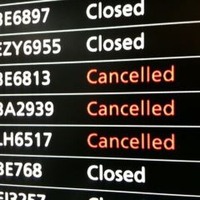
"Airspaces and roads are closed, missiles are flying overhead in all direction, and rumors of new attacks are spreading," she said, "and the first thing people lose is their sense of safety."
Zaros said escalating bomb attacks also derail progress her group is making to build trust between community members in areas marred by past conflict.
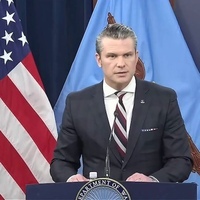
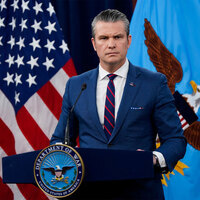
Defense Secretary Pete Hegseth said Wednesday that U.S. military strikes could last several weeks, and that despite the risks of additional retaliatory strikes from Iran, America is making "decisive offensive progress." Meanwhile, the U.S. Senate failed to pass a bill that would have limited the Trump administration's war powers.
The military conflict follows deep budget cuts by the Trump administration to the U.S. Agency for International Development. Zaros warned it's going to be harder for war-torn villages and cities to recover.
"War causes an explosion of and worsening of need," she said. "We're talking about food, sanitation, civilian protection."
Nonviolent Peaceforce is among the groups that lost direct funding from the agency to assist affected populations in various locations. Zaros said cuts to domestic programs impact their work in limiting hate crimes. She said she worries about Black, Brown and Jewish people in the United States increasingly being singled out in connection to the Middle East conflict. The White House had argued certain overseas projects funded by the agency were evidence of fraud and abuse.
Source: Public News Service