

Marta Jimnez, a hairdresser in Cubas eastern city of Holgun, covered her face with her hands and broke down crying when I asked her about Trumps blockade of the islandespecially now that the U.S. is choking off oil shipments.
By Medea Benjamin
We came to Holgun to deliver 2,500 pounds of lentils, thanks to fundraising by CODEPINK and the Cuban-American group Puentes de Amor. On our last trip, we brought 50-pound bags of powdered milk to the childrens hospital. With Trump now imposing a brutal, medieval siege on the island, this humanitarian aid is more critical than ever. But lentils and milk cannot power a country. What Cubans really need is oil.
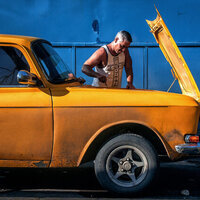
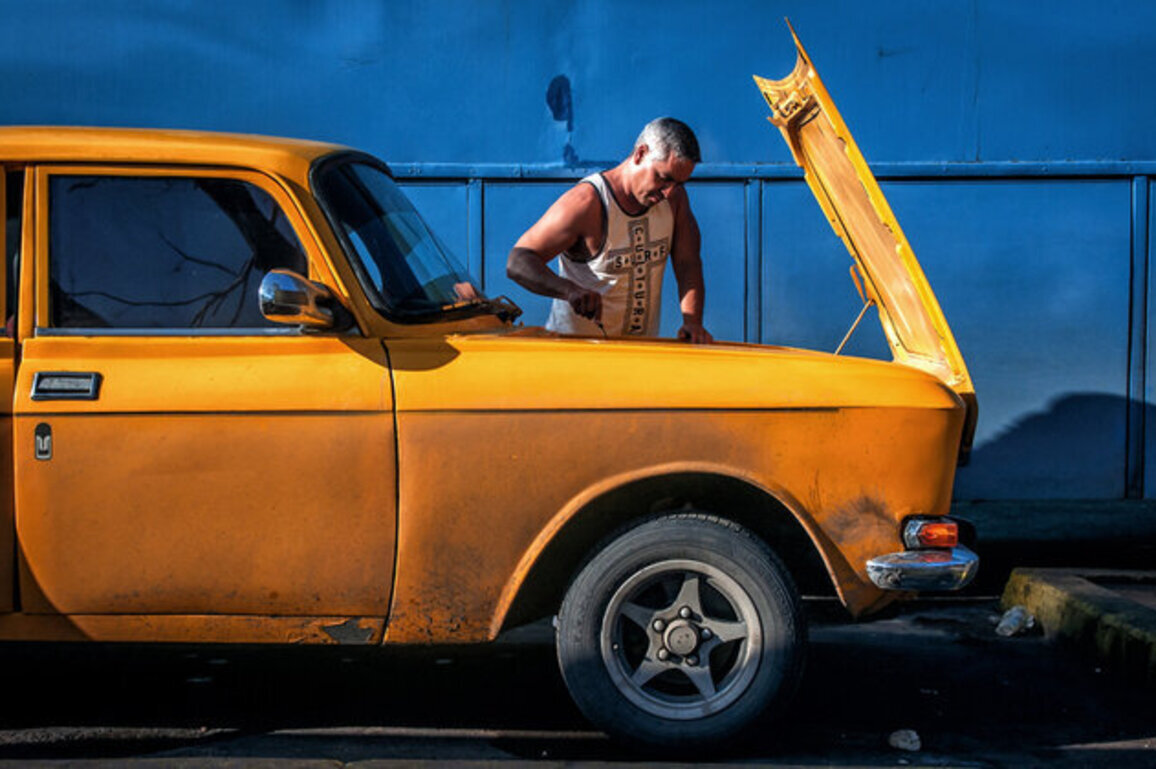
There were no taxis at the airport. We hitchhiked into town on the truck that came to pick up the donations. The road was eerily empty. In the city, there were few gas-powered cars and no buses running, but the streets were full of bicycles, electric motorcycles, and three-wheeled electric vehicles used to transport people and goods. Most of the motorcyclesChinese, Japanese, or Koreanare shipped in from Panama. With a price tag near $2,000, only those with family abroad sending remittances can afford them.
Thirty-five-year-old Javier Silva gazed longingly at a Yamaha parked on the street. I could never buy one of those on my salary of 4,000 pesos a month, he said. With inflation soaring, the dollar now fetches about 480 pesos, making his monthly income worth less than ten dollars.
Cubans dont pay rent or have mortgages; they own their homes. And while healthcare has deteriorated badly in recent years because of shortages of medicines and equipment, it remains freea system gasping but not abandoned. When my partner Tighe had an asthma attack, we went to the clinic and within minutes, he was breathing in albuterol mist from a nebulizer. No insurance forms. No bill. Just care delivered with competence and a smile. Thats what health care looks like when its treated as a human right.
The biggest expense for Cubans is food. Markets are stocked, but prices are out of reachespecially for coveted items like pork, chicken, and milk. Even tomatoes are now unaffordable for many families.
Holgun was once known as the breadbasket of Cuba because of its rich agricultural land. That reputation took a severe hit this year when Hurricane Melissa tore through the province, destroying vast areas of crops. Replanting and repairing the damage without gasoline for tractors or electricity for irrigation is nearly impossible. Less food means higher prices.
Production across the economy is grinding to a halt. Factories cant function without electricity, and many skilled workers have given up their state jobs because wages are so low. Jorge, whom I met selling bologna in the market, used to be an engineer at a state enterprise. Vernica, once a teacher, now sells sweets she bakes at homewhen the power is on. Ironically, while Marco Rubio claims he wants to bring capitalism to Cuba, U.S. sanctions are crushing the very private sector that most Cubans now depend on to survive.
I talked to people on the street who blame the Cuban government for the crisis and openly say they cant wait for the fall of communism. Young people told me that their goal is to leave the island and live somewhere they can make a decent living. But I didnt meet a single person who supported the blockade or a U.S. invasion.
Others put the blame squarely on the United States. They point to the dramatic improvement in their lives after Presidents Obama and Ral Castro reached an agreement and eased many sanctions in 20142016. It was the same Cuban government we have now, one man told me.
The only way Cubans are surviving this siege is because they help one another. They trade rice for coffee with neighbors. They improviseno hay, pero se resuelve (we dont have much, but we make it work). The government provides daily meals for the most vulnerablethe elderly, the disabled, mothers with no incomebut each day it becomes harder as the state has less food to distribute and less fuel to cook with.
At one feeding center, an elderly volunteer told us he spends hours every day scavenging for firewood. He proudly showed us a chunk of a wooden pallet, nails and all. This guarantees tomorrows meal, he saidhis face caught between pride and sorrow.
So how long can Cubans hold on as conditions worsen? And what is the endgame?
When I asked people where this is leading, they had no idea. Rubio wants regime change, but no one can explain how that would happen or who would replace the current government. Some speculate a deal could be struck with Trump. Make Trump the minister of tourism, a hotel clerk joked, only half joking. Give him a hotel and a golf coursea Mar-a-Lago in Varaderoand maybe hed leave us alone.
Who will win this demonic game Trump and Rubio are playing with the lives of eleven million Cubans?
Ernesto, who fixes refrigerators when the power is on, places his bet on the Cuban people. Were rebels, he told me. We defeated Batista in 1959. We survived the Bay of Pigs. We endured the Special Period when the Soviet Union collapsed and we were left with nothing. Well survive this too.
He summed it up with a line Cubans know by heart, from the great songwriter Silvio Rodrguez: El tiempo est a favor de los pequenos, de los desnudos, de los olvidadostime belongs to the small, the exposed, the forgotten.
In the long sweep of time, endurance outlasts domination.
Medea Benjaminis an American peace activist, author, and co-founder ofCodepink: Women for Peace, a grassroots organization launched in 2002 to oppose the Iraq War and promote nonviolent solutions to global conflicts. A longtime advocate for human rights, social justice, and diplomacy over militarism, she has been a prominent voice challenging U.S. foreign policy, military spending, and corporate influence in politics.
Before co-founding Codepink, Benjamin helped establish the human rights group Global Exchange. Through public demonstrations, congressional advocacy, international solidarity work, and numerous booksincluding Drone Warfare and Inside Iranshe has consistently promoted dialogue, disarmament, and citizen diplomacy. Her activism has made her one of the most visible figures in the contemporary U.S. antiwar movement.
Codepink