

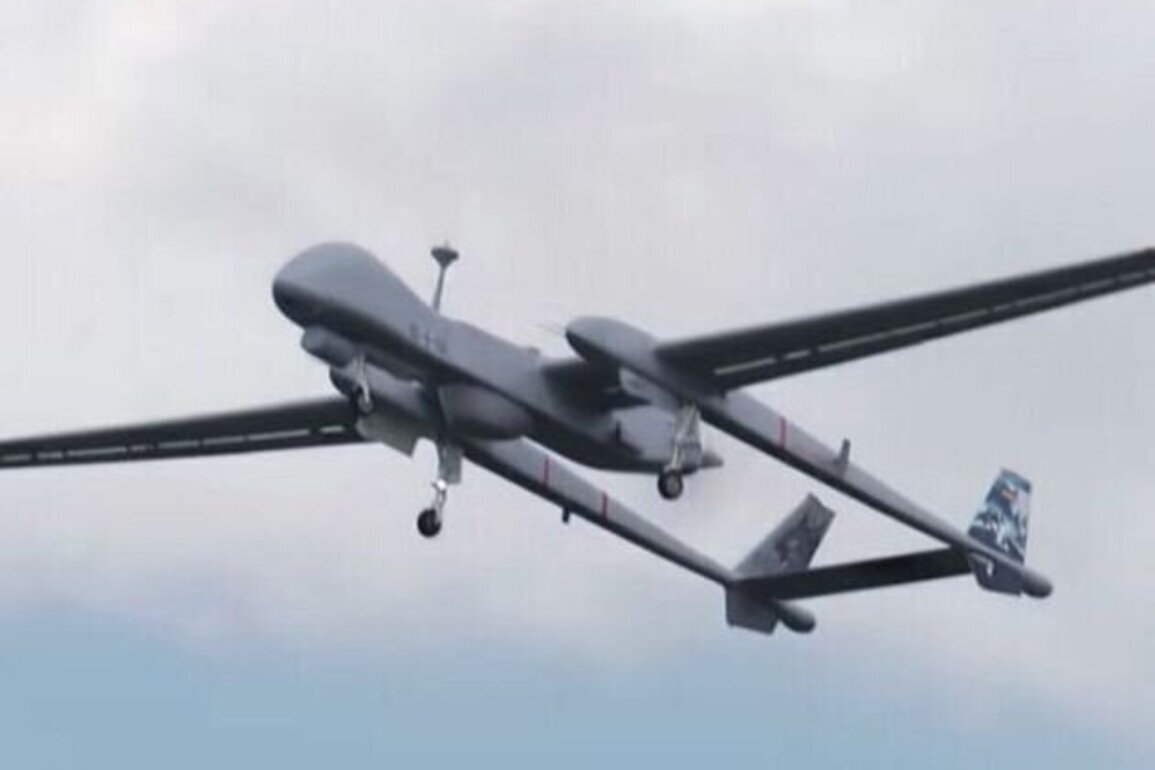
Ukraine's drone army is reshaping modern warfare, turning the battlefield into a relentless contest between technology, survival and human endurance, writesPatrick Drennan.
RUSSIAN BLOGGERMikhail Zvinchuk, net name Rybar, bemoansUkraine drone advantage:
Zvinchuk exaggerates, but the facts demonstrate his concerns: there are approximately700,000 Russian troopson the 1,250-kilometre-long frontlines of Ukraine. The Ukrainian armed forces possessabout 2 million dronesof varying size and lethality.
This is not the dynamic battlefields of Iraq and Afghanistan. Every square metre is dominated by drones, creating a vastkill zonethat compels the infantry of both sides to shelter in underground dugouts for over 100 days at a time. The only way to supply them is via aerial or land drones.
Drone wars: How Ukraine rewrote the future of combatThere is a quiet revolution unfolding over the battlefields of Ukraine and it doesnt roar like artillery or thunder like tanks.
Numerous Ukrainian online videos show Russian soldiers trapped in basements, dugouts and eveninfrastructure pipesas the drones pursue them. Drones flythrough open windows, hunting their prey. Soldiers crawl from one dugout to another under thermal cloaks, but they seldom escape.
Theonline videoscapture the shock and resignation of the Russian soldiers caught in the open. Several just throw down their rifles andtry to surrendera situation becoming more common.
Ukraines war drone technology is extraordinary. On 9 April, Ukrainian GeneralOleksandr Syrskyireportedthat UkrainianUnmanned Systems Forcesperformed over 11,000 combat missions per day and struck over 150,000 verified targets in March 2026 alone up 50 per cent from February 2026.
Ukrainian innovation includes mothership drones carrying small armedFVP drones; weather balloons launching drones from great heights deep inside Russia (the wind blows from East to West); and surveillance drones that use AI (artificial intelligence) to colour the operators onscreen maps red, green and blue (military, civilian and unidentified locations).
According to theInstitute for the Study of War, Ukraines defensive successes, drone adaptations and mid-range strike campaigns are creating compounding effects that are degrading Russian frontline forces.
Not only are the drones hunting you, but they are also destroying your food, fuel and ammunition supplies before they even reach you.
Drone wars: AI rewriting the rules of combatThe next generation of drones doesnt just fly fast it thinks fast and kills without waiting for human orders.
The highway to hell
Ukraine drones havebeen dismantlingRussias very effectiveS-300andS-400air defence systems in occupied Kherson and Crimea for the last 18 months.
The 113-kilometre MariupolBerdiansk highway, a key segment of Russias land corridor to Crimea and Kherson, is under intense attack.Videospresent burnt out remains of fuel tankers, military trucks, tanks and delivery vans littering the highway.
Ukrainian forces are also employing drones to drop and scatter mines along the highway, but it is thekamikaze attack dronesand AI-directedHornetdrones that are causing the most destruction.
More than 30 Russian logistics vehicles have been hit over the past month. The Russians have few alternative delivery options, including a bridge and a ferry terminal that have been previously targeted. They have resorted to installing miles of overhead nets above the highway and even painting their military vehicles in zebra patterns to confuse the AI algorithms of the Ukrainian dronesapparently anineffective exercise.
While it is an immediate dopamine thrill to watch these vehicles explode, like video game-playing, it is sobering to realise that many of these vehicles have drivers and often, in the case of the tankers,civilian drivers.
The psychological impact on everyone involved in the Ukraine war, soldiers and civilians of both Russia and Ukraine, is profound and will continue for decades after the war.Drone warfare victimssuffer from chronic terror and sound-linked hypervigilance, while remote operators face high rates of PTSD andburnoutfrom transitioning instantly between lethal combat and normal domestic life.
The nightmarish scenario is that soon, AI drones will operate without human operators at all machines hunting humans.
Patrick Drennanis a journalist based in New Zealand, with a degree in American history and economics.
Related Articles
- Russia-Ukraine peace and the Putin factor
- For the fourth consecutive year, Russia weaponises Christmas
- A smarter way to fund recovery: Why Ukraine needs GDPcontingent loans
- Counting the culprits, losers and victims of the Ukraine war
- What the Putin-Trump Ukraine meeting means for Australia